Standby generators on the Treasure Coast
After a long outage, many homeowners decide not to go through another one without power. Tell us about your home and we pass the request to one independent local generator installer.
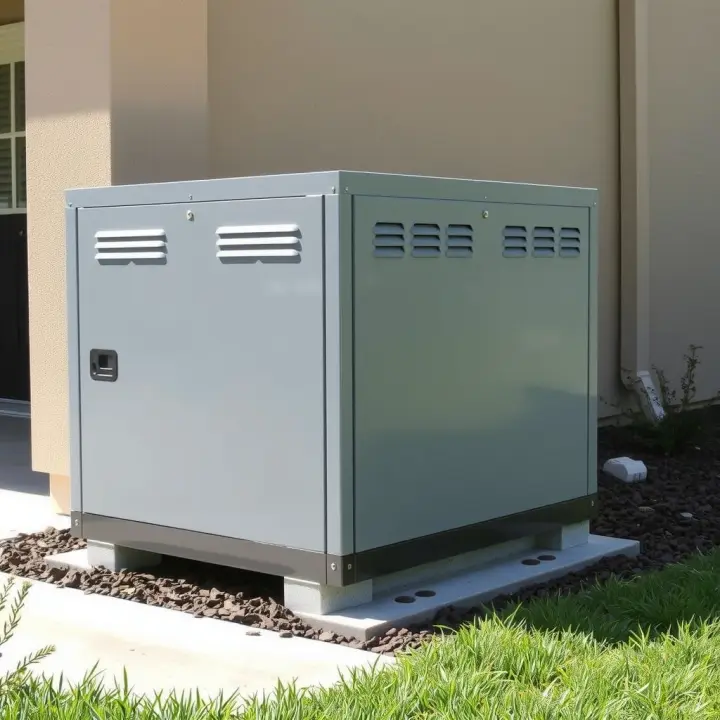
A standby generator sits outside on a pad, connects to your electrical system through a transfer switch, and starts on its own when the power goes out. Unlike a portable generator, there are no extension cords or refueling in the rain. On the Treasure Coast the main reason people buy one is hurricane season, when outages can last days, along with summer storms that knock out power for hours.
Sizing and fuel: the two big decisions
Size. A whole home system is sized to run nearly everything, including central AC. A smaller system covers essentials like the refrigerator, some lights, the well pump, a few outlets and maybe one AC unit. Load management devices let a medium sized generator handle big loads by switching them on and off. The installer should walk through what you want to run, not just quote the biggest unit.
Fuel. Natural gas is the simplest when your street has a gas line, because there is no tank to fill. Many Treasure Coast neighborhoods do not have natural gas, so most homes here use liquid propane from an above ground or buried tank. Tank size decides how long you can run before a refill, and after a big storm refills can be slow. Ask the installer to estimate run time at your typical load.
What makes installs here different
- Placement. Exhaust contains carbon monoxide, so generators have required clearances from windows, doors, vents and other openings. Manufacturers and codes set these distances, and they can rule out some spots.
- Flooding and surge. In low areas or near the water, the pad may need to sit higher. Ask about the flood zone.
- Salt air. Enclosures and connections near the coast corrode faster. Ask about enclosure materials and what maintenance looks like.
- HOAs. Many communities require approval for location, screening and noise. Get it before you sign.
- Digging. Gas lines and pads involve digging, and Florida law requires calling 811 before you dig.
What drives the cost
The generator itself is only part of the price. The transfer switch, the pad, electrical work, the gas line or propane tank, permits and any panel upgrade all add up. A complete installed standby system commonly costs well over ten thousand dollars, and larger whole home systems with a buried tank cost more. Get itemized written quotes so you can compare the same things.
Licenses and permits
A standby generator touches two trades. The electrical connection should be done by a Florida licensed electrical contractor, and the gas piping by a licensed plumbing or gas contractor or a state licensed LP gas installer. Expect an electrical permit and usually a gas permit, with inspections, from your city or county building department. LP tanks have setback rules from the house and property lines. Rules vary, so confirm with the building department.
Maintenance matters
Most standby generators run a short self test on a schedule, often weekly. They still need regular service, like oil, filters, battery and a check of the transfer switch. A generator that has not been serviced is the one that fails in the first hour of a storm. Ask what the maintenance plan costs and who does it.
Related pages: electrical work if your panel needs an upgrade first, plumbing for gas line work, and hurricane shutters and impact windows to protect the rest of the house.
Common questions
Should I get natural gas or propane for a standby generator?
If your street has natural gas service, it is usually the simplest choice because the fuel keeps flowing and there is no tank to refill. Many Treasure Coast neighborhoods do not have natural gas, so propane is the common option here. With propane, tank size decides how long you can run. Ask the installer to estimate run time for the loads you want to cover.
Can a standby generator run my central air conditioning?
Yes, if it is sized for it. AC units draw a big surge when they start, so the generator and transfer switch have to be chosen with that in mind. A whole home system can run AC directly, and a smaller generator can sometimes handle one AC unit with a soft start device or load management. Ask the installer to size it around your actual equipment.
Do I need a permit for a standby generator?
In most cases, yes. A standby generator usually needs an electrical permit, and a gas permit for the fuel line, with inspections from your city or county building department. LP tanks also have placement rules. Many HOAs require their own approval too. The installer normally pulls the permits, so ask them to confirm that in the quote.
How far from the house does a generator need to be?
There is no single number to quote, because it depends on the manufacturer's instructions, the building code and what is near the unit, such as windows, doors, soffit vents and air intakes. The reason is carbon monoxide in the exhaust. The installer and the permit inspector will check placement. Never run any generator inside a garage, even with the door open.
How often does a standby generator need maintenance?
Most run a short automatic exercise on a schedule, often once a week, and need regular service at least once a year or by run hours, whichever comes first. That usually covers oil, filters, spark plugs, the battery and a check of the transfer switch. After a long storm run, service is often due sooner. Salt air near the coast makes enclosure checks more important.