Tree service on the Treasure Coast
Sandy soil, a high water table and hurricane season make trees here a bigger concern than in many places. Tell us about the tree and we pass your request to one independent local tree service.
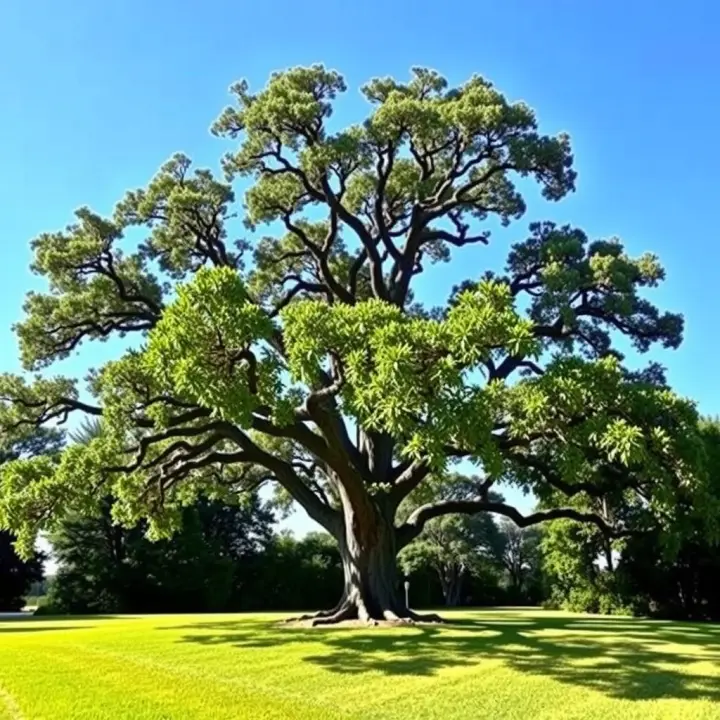
Trees on the Treasure Coast grow fast and grow on shallow roots. The ground is mostly sand, and the water table sits close to the surface, so roots spread wide instead of deep. A tall tree in a saturated yard during a storm is easier to tip than it looks. Add decades of neighborhoods planted at the same time, and many trees are now reaching the age where problems show up.
What usually goes wrong
- Decay in older oaks. Laurel oaks are common here and are known to decay inside as they age, sometimes while the canopy still looks full. Mushrooms at the base, cavities and dead limbs are warning signs.
- Weak limbs over the house. Long, heavy limbs over a house, pool cage, driveway or fence are what cause the damage in storms.
- Leaning trees. A lean that is new, or soil that is heaving or cracked on one side, is more concerning than a tree that has grown at an angle for years.
- Over trimmed palms. Cutting palms down to a few fronds, sometimes called a hurricane cut, can weaken them. Palms make food from their green fronds, so removing healthy ones stresses the tree. Dead and hanging fronds and seed pods are the usual targets.
- Roots near pipes and slabs. Roots look for water and can get into older sewer and septic lines.
Trim, remove, or leave it?
Not every scary looking tree needs to come down. A trim that thins the canopy and removes dead or weak limbs can let wind pass through and reduce risk. A tree with major decay, a cracked trunk, or a dangerous lean close to the house may be a removal. If you are unsure, an assessment by an ISA certified arborist can help. That is a private credential, not a state license, but it shows training in tree health and risk. Ask whether the company has one on staff.
Rules, permits and power lines
Tree rules vary between cities, counties and HOAs. Some local governments require a permit to remove certain trees, especially larger or protected species. Florida Statute 163.045 says a local government cannot require a permit to remove or trim a tree on residential property if the owner has documentation from an ISA certified arborist or a Florida licensed landscape architect that the tree is a danger to people or property. Keep that documentation. HOAs may still have their own approval process. Confirm the rules for your address before work starts.
Branches touching or near power lines are a different matter. Work near energized lines should be done by the utility or by crews qualified for line clearance. Call your electric utility if limbs are on the lines.
What drives the cost
Price depends on the tree's size, its condition, how close it is to the house or lines, whether a bucket truck or crane can reach it, and whether cleanup, hauling and stump grinding are included. Small trims can be modest. Large removals near structures can cost a few thousand dollars or more. Get written quotes that say exactly what is included.
Licensing and insurance
Florida does not issue a state license for tree trimming or removal, so insurance is the most important thing to ask about. Ask for proof of general liability and workers compensation coverage, because an uninsured worker hurt on your property can become your problem. Ask for the local business tax receipt too. Stump grinding involves digging into the ground, and Florida law requires calling 811 before you dig.
Related pages: junk removal for storm debris, lawn care after a removal, fencing if a limb took out a fence, and Port St. Lucie for local notes.
Common questions
Do I need a permit to remove a tree on the Treasure Coast?
It depends on your city or county, the type and size of the tree, and your HOA. Some local governments require permits for larger or protected trees. Florida Statute 163.045 says a local government cannot require a permit to remove a residential tree if you have documentation from an ISA certified arborist or a Florida licensed landscape architect that it is a danger. Confirm with your local office.
Is a hurricane cut good for my palm trees?
Usually not. Cutting a palm down to a few fronds removes the green leaves it uses to make food and can weaken it over time. Many tree care guides recommend removing only dead, hanging and badly damaged fronds, plus seed pods and flower stalks. A palm with a full, healthy head tends to handle wind better than one that has been stripped.
What should I ask a tree service before hiring?
Ask for proof of general liability and workers compensation insurance, a written quote that spells out cleanup, hauling and stump grinding, and how they plan to protect the house, fence and pool cage. Ask who handles permits if one is needed. Be careful with anyone who knocks on doors after a storm and asks for full payment up front.
Who handles tree limbs on power lines?
Limbs touching or close to power lines should be handled by the utility or by crews trained and qualified for line clearance work. Do not try to remove them yourself, and keep people and pets away. Call your electric utility to report it. Branches on the service line from the pole to your house may be handled differently, so ask the utility what they cover.
Does stump grinding need anything special?
Stump grinding digs into the ground, so Florida law requires calling 811 before the work to have underground utilities marked. Ask the tree service whether they make that call. Also ask how deep they grind, whether they fill the hole, and whether they haul the grindings away. Roots beyond the stump usually stay in the ground and decay over time.