Plumbing on the Treasure Coast
Leaks, clogs and old pipes show up differently here than up north. Tell us what is happening and we pass your request to one independent local plumber.
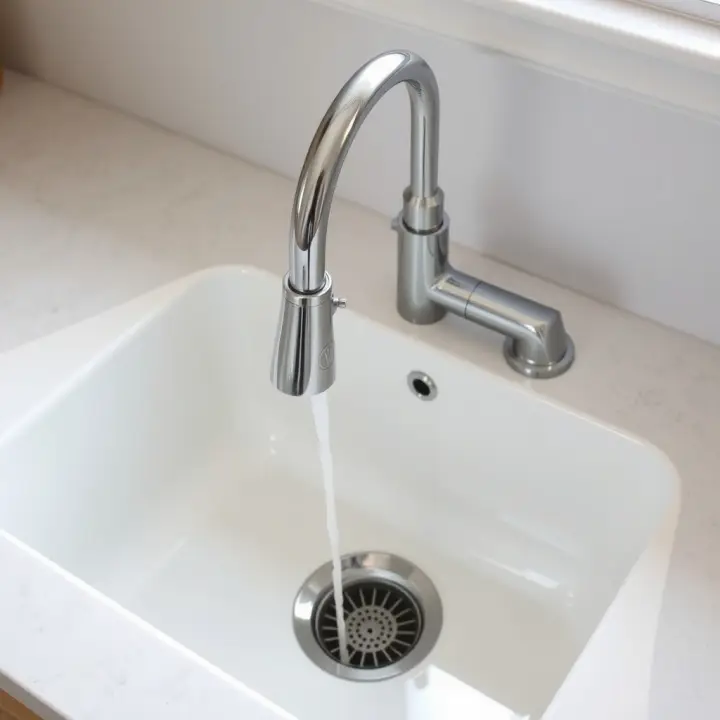
Most Treasure Coast homes are single story, built on a concrete slab, with pipes running under the floor or through the attic. That layout shapes how plumbing fails and what it costs to fix. A leak in the attic shows up on the ceiling. A leak under the slab can hide for a long time before you notice a warm spot on the floor, a high water bill or a well pump that keeps running.
Common problems and why they happen here
- Hard water. Well water and some city water carry a lot of minerals. Scale builds up in faucets, shower valves, toilets and water heaters, and it shortens their life.
- Old pipe materials. Homes from the 1960s and 1970s may still have galvanized steel supply lines or cast iron drains. Galvanized pipe rusts from the inside, and cast iron drains under the slab can crack or scale up over decades. Some homes built roughly from the late 1970s to the mid 1990s have polybutylene supply pipe, which insurers often dislike.
- Slab leaks. Copper lines under the floor can develop pinhole leaks over time, especially with aggressive water. Finding them usually takes leak detection equipment, and the fix can be a spot repair or rerouting the line through the walls or attic.
- Roots and sand in drain lines. Tree roots look for water and find their way into older sewer lines. Sandy soil can settle around pipes and cause sags.
- Septic and well homes. Many homes in older parts of the region are on septic tanks and private wells. A slow drain in every fixture at once can be a septic problem rather than a clog, and a pressure problem can be the well pump or pressure tank.
Repair or repipe?
One leak is a repair. Repeated leaks in old galvanized or polybutylene pipe usually mean the rest of the pipe is in similar shape. A full repipe costs more up front, but it can stop the cycle of patches and drywall repairs, and it can help when an insurer asks about the plumbing on a four point inspection. Ask the plumber to show you what they found and to price both options in writing.
What affects the price
Simple clogs and fixture repairs are often priced as a service call plus parts. Slab leak detection, sewer camera work, drain line replacement and repiping cost more and vary with the size of the house, how many bathrooms it has, access through the attic, and how much drywall or flooring has to be opened. After hours and emergency calls usually cost more. Get written quotes and ask what restoration of walls and floors is included, if any.
Licenses and permits
Florida licenses plumbing contractors, either as certified (statewide) or registered (local). Many jobs need a plumbing permit, including repiping, sewer line replacement, and in most local jurisdictions water heater replacement. Small repairs like a faucet or a toilet often do not, but the rules vary, so check with your city or county building department. Wells are a special case: some plumbers work on well pumps, while drilling or major well work falls to water well contractors, who are licensed separately in Florida.
Before the plumber arrives
- Know where your main shutoff is, and for well homes, the breaker for the pump.
- Note when the problem started, which fixtures are affected, and whether your water bill jumped.
- Clear space under sinks and around the water heater.
- Take photos of any water damage for your insurance company before cleanup.
Related pages: water heaters, water softeners and filtration for hard water, and mold remediation if a leak went unnoticed for a while.
Common questions
How do I know if I have a slab leak?
Common signs are a water bill that jumps for no reason, the sound of running water when everything is off, a warm spot on a tile floor if a hot line is leaking, damp carpet or baseboards, or a well pump that cycles when no one is using water. A plumber can confirm it with pressure tests and leak detection equipment before anything gets opened up.
Is polybutylene pipe a problem when I insure my home?
It can be. Polybutylene was used in many homes built roughly from the late 1970s to the mid 1990s, and a lot of Florida insurers ask about it on a four point inspection. Some will not write a policy, or will charge more, until it is replaced. Check with your insurance agent, then ask a plumber to confirm what pipe you have and to quote a repipe if needed.
Why does my water leave white crust on faucets?
That is mineral scale from hard water, which is common on private wells and in parts of the region on city water. Calcium and magnesium deposit wherever water evaporates or heats up. Besides the crust, scale shortens the life of water heaters, valves and fixtures. A water softener is the usual fix, and a water test tells you how hard the water really is.
Do I need a permit for plumbing work?
It depends on the job. Repiping, sewer line replacement and water heater replacement usually need a permit from your city or county building department, while small repairs like replacing a faucet often do not. The licensed plumber normally pulls the permit. Because the rules differ between Port St. Lucie, Fort Pierce, Stuart, Vero Beach and the counties, confirm with your local building office.
What should I do first when a pipe bursts?
Shut off the main water valve, usually near the meter or where the line enters the house, or turn off the well pump breaker on a well home. Then turn off the water heater power or gas so it does not run empty. Move belongings away from the water, take photos for insurance, and call a plumber. Drying out quickly matters because damp drywall can grow mold within days.