Mold inspection and remediation on the Treasure Coast
Mold in a Florida home almost always comes back to moisture. Tell us what you are seeing or smelling and we pass your request to one independent local mold company.
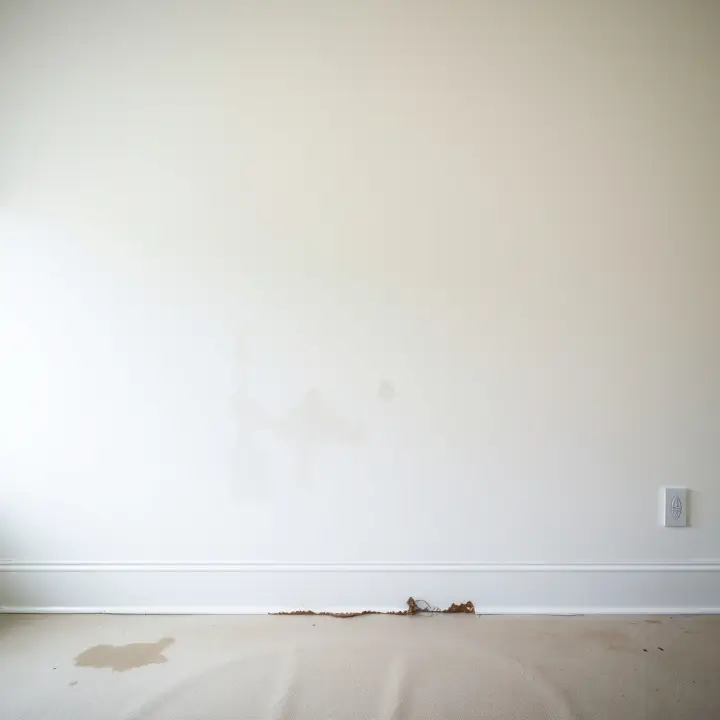
Mold spores are everywhere outdoors in Florida. They become a problem indoors when they find a surface that stays damp. On the Treasure Coast, with high humidity most of the year, that can happen from a slow leak, an AC system that is not removing enough moisture, a window or door leak after a storm, or a flood. Cleaning the mold without fixing the moisture just means it comes back.
Common causes here
- AC problems. An oversized or poorly running system, a clogged drain line, or a leaking air handler can keep indoor humidity high or wet the area around the unit. See AC repair.
- Plumbing leaks. Slow leaks under sinks, behind toilets, at water heaters or under the slab can wet drywall and cabinets for weeks before anyone notices. See plumbing.
- Storm water intrusion. Wind driven rain through windows and doors, and water from storm damage.
- Flooding. Water that comes in from outside soaks drywall, insulation and flooring, and these usually need to be removed, not just dried.
- Closed up homes. Seasonal homes left with the AC off or set too high in summer often develop mold.
Assessment and remediation are separate jobs
Florida licenses mold assessors and mold remediators separately. An assessor inspects, finds the source and extent of the problem, may take samples, and writes a plan for what needs to be removed. A remediator does the removal and cleanup. Florida law generally does not allow the same company to assess and then remediate the same job, because that would let one company decide how much work it gets paid to do. After remediation, many homeowners have an assessor do clearance testing to confirm the work met the plan.
Some small jobs do not need a full assessment. Federal guidance has suggested that a small area of mold on a hard surface can often be cleaned by a homeowner, while larger areas, mold inside walls, or mold after contaminated water like a flood call for professionals. If anyone in the home has health concerns, talk to a doctor and lean toward professional help.
What remediation usually involves
A typical job includes fixing or confirming the moisture source has been fixed, setting up containment so spores do not spread to the rest of the house, using air filtration, removing damaged materials like drywall, insulation and carpet, cleaning salvageable surfaces, and drying everything before rebuilding. The rebuild itself is often a separate contractor.
Cost and insurance
Price depends on the size and location of the affected area, how much material comes out, access, containment needs and testing. A small closet job and a whole house after a flood are very different numbers. Many homeowners insurance policies limit or exclude mold coverage, especially if it came from a long term leak. If the mold came from a sudden covered event like a burst pipe, there may be some coverage. Check your policy and talk to your agent before work starts. Take photos first.
Before the visit
- Note where you see or smell mold and when it started.
- Write down any leaks, storms or floods you know about.
- Do not scrub or spray large areas yourself, since that can spread spores.
- Run the AC to keep humidity down, unless the assessor says otherwise.
Related pages: painting after remediation and rebuild, and junk removal for water damaged belongings.
Common questions
Should the same company test for mold and remove it?
Generally, no. Florida licenses mold assessors and mold remediators separately, and state law generally does not allow the same company to assess a job and then remediate it. The idea is that the company deciding how much work is needed should not be the one paid to do it. Hire an assessor for the inspection and plan, a separate remediator for the work, and consider clearance testing afterward.
Do I need mold testing if I can see the mold?
Not always. If mold is visible, testing does not change the fact that it needs to be cleaned up and the moisture fixed. Testing and an assessment are more useful when you smell mold but cannot find it, when the extent is unclear, after a flood, for a real estate deal, or when you want clearance testing after remediation. An assessor can explain what testing would tell you.
Why does my house smell musty when the AC is running?
A musty smell when the AC runs can point to mold or bacteria growing in the air handler, on the coil, in the drain pan or in the ductwork, or to high indoor humidity. Clogged drain lines and oversized systems are common culprits in Florida. Have an AC company check the system and drain, and consider a mold assessment if the smell continues after that.
Does homeowners insurance cover mold in Florida?
It depends on your policy. Many Florida policies limit or exclude mold, especially when it comes from a long term leak or high humidity. If mold resulted from a sudden covered event, like a burst pipe, there may be limited coverage. Read the mold section of your policy, take photos before cleanup, and call your agent or insurer before work starts.
Can I clean small mold spots myself?
Often, yes, for small areas on hard surfaces like a bit of mildew on a bathroom ceiling or window sill. Wear gloves and eye protection, keep the area ventilated, and dry it fully afterward. Larger areas, mold inside walls or ceilings, mold after a flood, or anyone in the home with health concerns are reasons to call professionals. Fix the moisture source either way.