Seawall and dock repair on the Treasure Coast
This service only applies to waterfront homes with a seawall, bulkhead or dock. Tell us what you are seeing and we pass your request to one independent local marine contractor.
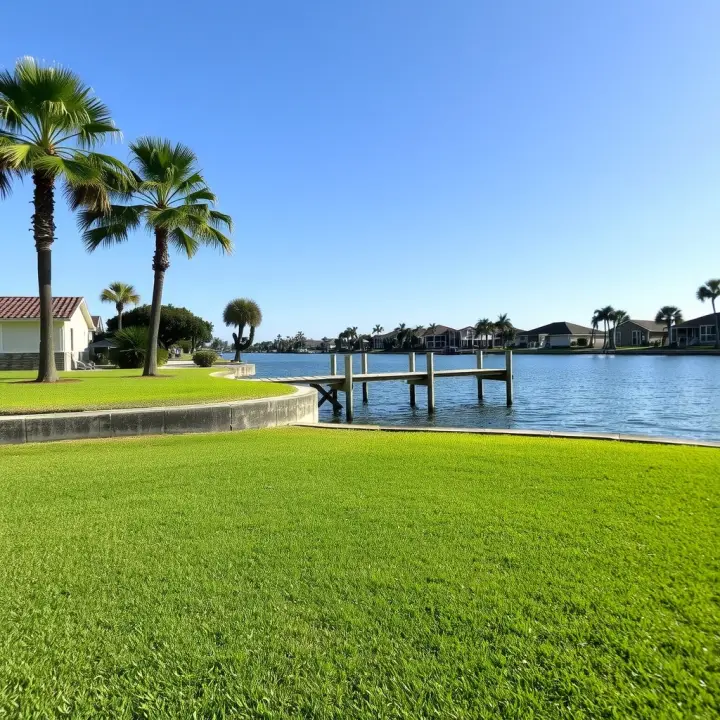
If your home sits on the St. Lucie River, the Indian River Lagoon, a boating canal or other open water, your seawall holds your yard in place, and your dock takes a beating from sun, salt and storms. This page is only for waterfront properties. Many canals in the region are stormwater canals rather than boating canals, and walls on those can follow different rules, so mention which kind you have.
What goes wrong, and why
- Soil washing out behind the wall. Small gaps at joints or the bottom of the wall let water carry soil out with each tide. The first sign is often a sinkhole or a dip in the lawn just behind the seawall.
- Cracks and rust stains. Concrete walls and caps crack over time. Rust stains mean the steel inside is corroding, which expands and breaks the concrete further.
- Leaning or bulging. A wall that tilts toward the water may have failed tie backs or anchors, or soil pressure that is more than it was built for.
- Clogged weep holes. Weep holes let water pressure equalize. When they clog, pressure builds behind the wall.
- Dock wear. Wood pilings rot near the waterline and are attacked by marine borers. Decking splits, hardware corrodes, and boat lift motors and cables wear out.
- Storms and high tides. Hurricanes, storm surge and seasonal high tides push water over and behind walls and can lift or wreck docks.
Repair or replace?
Small cracks, a failed joint or a cap section can often be repaired. Erosion behind the wall can sometimes be stopped by sealing the gap and refilling. A wall that is leaning badly, broken in many places, or near the end of its life may need a new wall, sometimes built in front of the old one, or a full replacement. Some owners add riprap, a layer of rock at the base, to reduce wave energy. For docks, replacing a few boards or a piling is a repair, while widespread rot usually means a rebuild. Ask the contractor to explain why they recommend one over the other.
Permits take time
Work in or next to the water usually involves more than one agency. Expect local permits from your city or county, plus state authorization or a qualifying exemption from the Florida Department of Environmental Protection, and often a permit from the U.S. Army Corps of Engineers. Protections for seagrass, manatees and the lagoon can affect timing and methods. Which permits apply depends on the work and location, and approvals can take weeks to months. A contractor who works on the water regularly should know the process. Confirm with your local building department before signing.
Licensing and what drives the cost
Who can do this work varies. It is often a licensed general contractor or a marine specialty contractor, and local rules differ by county. Look up any state license, check with your county building department about local requirements, and ask for proof of liability insurance. Price depends on wall length and height, material, access by land or barge, the condition of the soil behind the wall, and permit costs. Get written quotes for the same scope.
Before the visit
- Take photos at low tide, including the face of the wall, the cap and any holes in the yard.
- Find your survey and any old permits for the wall or dock.
- Note your HOA rules, since some waterfront communities control dock size and style.
Related pages: hurricane shutters and impact windows for the house itself, and local notes for Stuart and Jensen Beach.
Common questions
Why is there a sinkhole behind my seawall?
A hole or dip in the lawn just behind a seawall usually means soil is washing out through a gap, a failed joint or a crack near the base of the wall. Each tide pulls a little more out. It tends to get worse over time and can undermine the wall. Keep people and pets away from the spot and have a marine contractor look at it soon.
Do I need a permit to repair my seawall or dock?
Usually, yes. Work in or next to the water often needs a local permit plus state authorization or an exemption from the Florida Department of Environmental Protection, and many projects also need a U.S. Army Corps of Engineers permit. Small repairs may qualify for simpler paths. The rules depend on the work and location, so ask the contractor and confirm with your local building department.
How long do seawalls last?
It depends a lot on the material, how it was built, wave exposure and maintenance. Concrete walls can last decades, but corrosion of the steel inside, failed tie backs and erosion at the base shorten that. Keeping weep holes clear, sealing cracks early and watching for soil loss behind the wall help. A marine contractor can estimate the remaining life of your specific wall.
Is this service for homes on any canal?
This page is for waterfront homes with a seawall, bulkhead or dock on rivers, the lagoon and boating canals. Many canals on the Treasure Coast are stormwater drainage canals rather than boating canals, and walls or banks on those can have different rules and sometimes different responsibility for upkeep. Mention which kind of water you are on when you send your request.
How long does a seawall project take?
The construction itself may take days to weeks depending on the size, but permits often take longer. Local, state and federal approvals can take weeks to months, and work in the water may have timing limits for protected species. Plan ahead, especially before hurricane season. Ask the contractor for a realistic timeline that includes permitting.