Hurricane shutters and impact windows on the Treasure Coast
Protecting windows and doors is one of the main things that keeps wind and water out during a hurricane. Tell us what you are thinking about and we pass your request to one independent local shutter and window company.
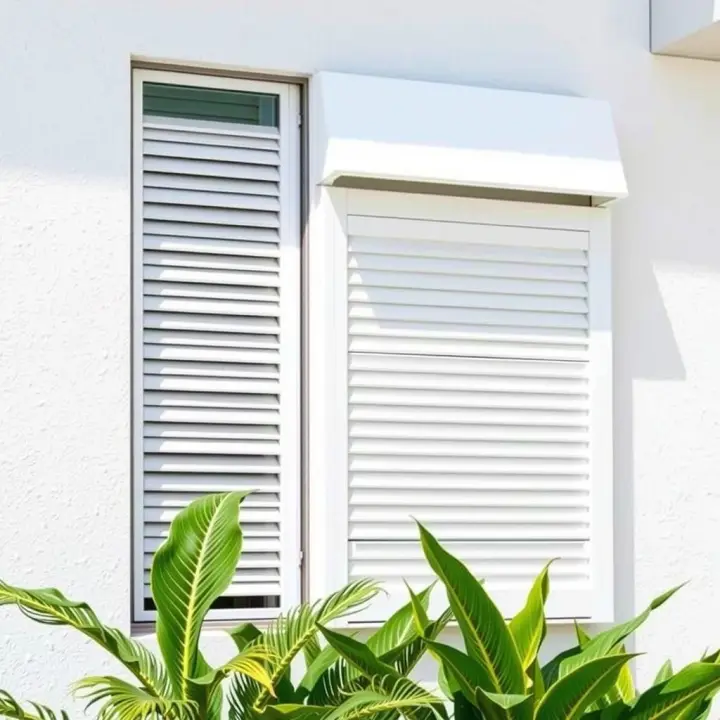
When a window or door breaks in a hurricane, wind and rain rush in, and pressure inside the house can push upward on the structure. Protecting openings is about keeping that from happening. On the Treasure Coast, where design wind speeds are high, the Florida Building Code and insurance companies both pay close attention to how your windows and doors are protected.
The main options
- Storm panels. Steel or aluminum panels that bolt or slide into tracks before a storm. Usually the least expensive option, but they take time and muscle to put up and need storage space.
- Accordion shutters. Permanently mounted beside the window and pulled closed when needed. Fast to deploy, though some people do not like how they look.
- Roll down shutters. Stored in a box above the opening and lowered by hand crank or motor. Convenient and costly. Motorized versions need a manual backup when the power is out.
- Colonial and Bahama shutters. Decorative shutters that also close for storms. Bahama style can shade the window all year.
- Fabric screens. Lightweight panels that attach to anchors. Easy to store, and coverage and approvals vary by product.
- Impact windows and doors. The glass and frame are built to resist debris impact, so nothing needs to go up before a storm. They also help with noise, security and, in many cases, energy use. They are the most expensive option per opening.
How to decide
Think about who will put the protection up, how quickly, and whether you will be home when a storm comes. Panels are cheap but hard for some people to install alone. Impact windows cost the most but need no prep. Many homeowners mix options, for example impact glass on the front, accordion shutters on a large back opening. Remember the garage door, which is often the largest opening on the house and a weak point if it is not rated.
Codes, permits, HOAs and insurance
Products used for hurricane protection in Florida generally need Florida Product Approval or a Miami Dade Notice of Acceptance. Permits are usually required for impact windows and doors and for permanently mounted shutters, and installation has to follow the product's tested anchoring. Your HOA may also need to approve color and style. Ask the company to handle the permit and confirm with your city or county building department.
A wind mitigation inspection documents features like opening protection, and some insurers give premium credits when every opening is protected with approved products. Credits vary by insurer, so ask your agent before you buy.
What drives the cost
Cost depends on the number and size of openings, the product type, whether the openings are on a second story, the wall type, and any stucco or trim repair after window replacement. Impact windows vary a lot by frame material and glass. Lead times can stretch out before and during hurricane season, so planning early helps. Get written quotes that list each opening and the product approval numbers.
Salt air and maintenance
Near the ocean and lagoon, tracks, bolts and anchors corrode. Rinse shutters and tracks with fresh water, lubricate moving parts as the maker suggests, and test everything before the season starts.
Related pages: standby generators for outages, tree service to deal with limbs over the house, and electrical work for motorized shutters.
Common questions
Are impact windows worth it compared to shutters?
It depends on your budget and how you live. Impact windows cost more per opening, but there is nothing to put up before a storm, and they can help with noise and security. Shutters cost less but someone has to deploy them, sometimes on short notice. Many homeowners use a mix. Ask your insurance agent what credits apply to each option before you decide.
Do I need a permit for hurricane shutters or impact windows?
In most cases, yes. Impact windows, impact doors and permanently mounted shutters usually need a building permit and an inspection, and products generally need Florida Product Approval or a Miami Dade Notice of Acceptance. Removable storm panels may be treated differently. The installer normally pulls the permit. Confirm the rules with your city or county building department.
Can shutters or impact windows lower my insurance?
They can. A wind mitigation inspection records opening protection, and some insurers give credits when all openings, including the garage door and entry doors, are protected with approved products. If even one opening is left unprotected, the credit may be smaller. Talk to your insurance agent first, then schedule a wind mitigation inspection after the work is done.
How far in advance should I order hurricane protection?
Earlier is easier. Lead times for impact windows and custom shutters can run weeks to months, and they tend to stretch as hurricane season gets close or after a storm. Permits add time too. If you want protection in place for the season, starting the quote process in winter or early spring usually gives you more choice.
How do I keep shutters working near the ocean?
Salt air corrodes tracks, bolts and moving parts. Rinse shutters and tracks with fresh water every so often, especially after storms. Lubricate moving parts with a product the manufacturer recommends. Test every shutter before the season starts, and check that you still have all the panels, bolts and tools. Replace corroded hardware before you need it.