Water softeners and filtration on the Treasure Coast
Hard water, orange stains and a rotten egg smell are everyday complaints here, especially on private wells. Tell us what you are seeing and we pass your request to one independent local water treatment company.
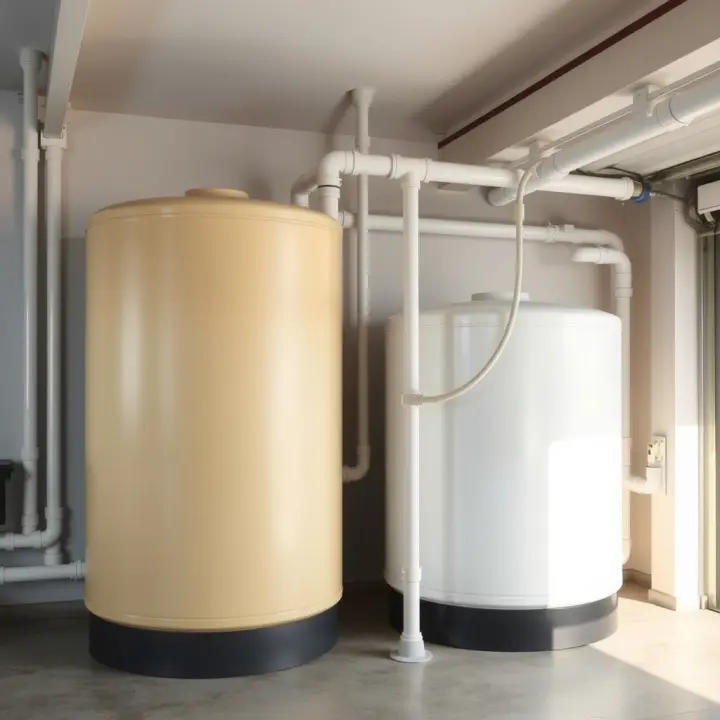
Water on the Treasure Coast comes from two places. Many homes are on a city or utility system, and many others, especially in older neighborhoods and rural areas, are on private wells. Both can have problems, but well water is where most of the trouble shows up, because the water comes straight out of the ground with whatever minerals and gases it picked up along the way.
What people notice, and what causes it
- White crust and spots. That is hardness, mostly calcium and magnesium. It builds scale in faucets, shower heads, dishwashers and water heaters, and it shortens their life.
- Orange or brown stains. Iron in the water stains sinks, toilets, laundry, and the driveway and walls where sprinklers hit. Iron is common in Florida well water.
- Rotten egg smell. That is usually hydrogen sulfide gas, which is common in Florida wells. Sometimes the smell only shows up in hot water, which can point to a reaction inside the water heater.
- Yellow or tea colored water. Tannins from decaying plant material can tint the water, especially in some shallow wells.
- Chlorine taste. On city water, some people want a carbon filter for taste and smell.
Test first, then choose
The right system depends on what is actually in your water, so start with a test. Many county health departments offer private well testing for a fee, and you can also use a certified lab. A company may offer a free in home test. That can be useful, but ask for the actual numbers in writing, and be wary of a test that ends in a high pressure pitch the same day. With results in hand, you can compare quotes that solve the same problem.
Common systems include a water softener for hardness, an iron filter or an air injection system for iron and sulfur, a carbon filter for chlorine and taste, and a reverse osmosis unit under the sink for drinking water. Many well homes need two stages, for example iron and sulfur removal first, then softening. A single system that claims to fix everything is worth questioning.
Things that are specific to our area
- Septic systems. Softeners and backwashing filters discharge water. If you are on septic, ask how that discharge will be handled and whether the installer has considered the load on your system.
- Space and salt. Softeners need salt refills and a spot near the main line, usually in the garage. Ask how often you will need to add salt with your water and household size.
- Irrigation. If your sprinklers run on well water, iron stains can come from the irrigation well, which is often separate from the house system.
Cost drivers
Price depends on the type of system, how many stages you need, the size of the house and flow rate, installation complexity, and whether you buy, rent or finance. Ongoing costs matter too: salt, filter cartridges, media replacement and service visits. Get written quotes that list the equipment, the warranty, and the yearly maintenance cost, not just the monthly payment.
Licenses and permits
Water treatment equipment connects to your plumbing. Depending on the job and your local rules, that tie in can count as plumbing work that needs a licensed plumbing contractor and a permit. Ask each company who does the plumbing connection and whether a permit is needed, then confirm with your city or county building department. For problems with the pipes themselves, see plumbing.
Common questions
Why does my water smell like rotten eggs?
That smell usually comes from hydrogen sulfide gas, which is common in Florida well water. If it only shows up in hot water, the cause may be a reaction between the water and the anode rod in your water heater. A water test helps sort out which one it is. Treatment options include air injection, certain filters and, for the water heater case, a different anode rod.
How do I get rid of orange stains from my well water?
Orange stains come from iron. Inside the house, an iron filter or an air injection system before a softener is a common setup. Outside, stains on walls and driveways often come from an irrigation well, which needs its own treatment or a rust inhibitor feed. Existing stains usually need a rust removal cleaner, since normal pressure washing does not take them off.
Do I need a water softener if I am on city water?
Not always. Some city water in the region is moderately hard and some is not. Look at your utility's annual water quality report, or test a sample at home. If you see heavy scale on fixtures and glass shower doors, and your water heater fills with sediment, a softener may be worth it. If your concern is taste or chlorine, a carbon filter may be all you need.
Is a free in home water test reliable?
It can give a rough idea of hardness and iron, but it is not the same as a lab test, and it is often part of a sales visit. Ask for the results in writing with actual numbers. For a well, consider a lab test or the testing offered by many county health departments, which can also check for bacteria. Use those results to compare quotes.
Can a water softener hurt my septic system?
This is debated, and the answer depends on the system and how the softener is set up. Softeners discharge salty backwash water, and a system that regenerates too often adds a lot of water to the tank. Ask the installer how the discharge will be handled, whether the softener regenerates by demand rather than on a timer, and talk to a septic company if you have concerns.