AC repair and replacement on the Treasure Coast
On the Treasure Coast an air conditioner runs for most of the year, so small problems turn into big ones fast. Tell us what the system is doing and we pass the request to one independent local AC company.
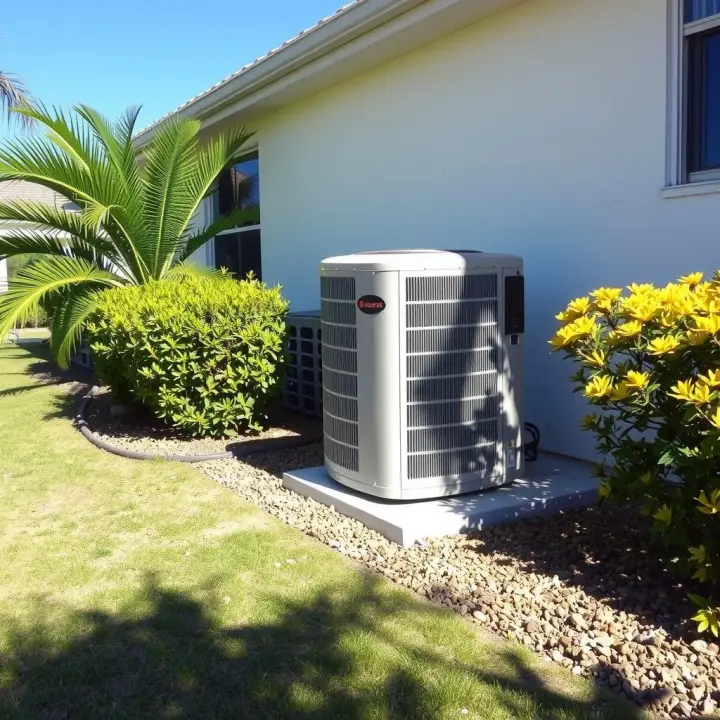
Air conditioning here is not a summer luxury. It runs from spring well into fall and often in winter too, and it does two jobs at once: it cools the air and it pulls moisture out of it. When a system struggles, the house gets warm, then it gets sticky, and that humidity is what leads to musty smells and mold on vents and closets.
What usually goes wrong here, and why
- Clogged condensate drain lines. The water your system pulls from the air runs out through a small pipe. In our warm climate algae and sludge grow in that line, it backs up, and you see water in the drain pan, on the floor, or a system that shuts itself off on a float switch.
- Salt air on the outdoor unit. Homes near the ocean, the Indian River Lagoon or the river get salt carried in on the wind. It corrodes the thin aluminum fins and copper tubing of the condenser coil, which can lead to refrigerant leaks and a shorter life for the unit.
- Heat and constant running. Capacitors, contactors and fan motors wear out from heat and long run times. These are some of the most common repair calls, and they are often fairly simple parts.
- Lightning and power problems. Florida gets a lot of lightning, and surges can damage control boards in the outdoor unit and the air handler.
- Older refrigerant. Systems old enough to use R 22 refrigerant are expensive to recharge, because that refrigerant is no longer produced for new use. A leak on one of those often tips the decision toward replacement.
Repair or replace?
There is no single rule, but a few questions help. How old is the system? Many systems here last somewhere around 10 to 15 years, and less in heavy salt air. Is this the first repair or the third this year? Is the problem a small part, or a compressor or coil, which are the expensive pieces? And is the system the right size for the house? An oversized unit cools fast but shuts off before it removes much humidity, which is a real problem in Florida.
A fair AC company should be willing to price both options in writing so you can compare. If the repair is a small fraction of what a new system costs and the unit is not near the end of its life, repair usually makes sense.
What drives the cost
Repairs range from a modest service call and a part to a major component that costs a good share of a new system. Full replacement varies a lot. The size of the system, the efficiency rating, whether the air handler and ductwork are replaced too, how hard the attic or closet is to reach, and permit fees all change the number. Ask for written quotes that list the equipment, what is included, and the warranty on parts and labor.
Licenses, permits and hurricane rules
In Florida, AC contractors are licensed by the state, either as certified (statewide) or registered (tied to a local area). Replacing a system usually needs a mechanical permit from your city or county building department, and the outdoor unit generally has to be anchored to its pad to meet wind rules. The contractor normally pulls the permit. If someone suggests skipping it, that is a warning sign, because unpermitted work can cause trouble with insurance and when you sell the house. Rules change, so confirm with your local building department.
Before the visit
- Note what the system is doing: warm air, short cycling, noise, ice on the lines, water on the floor.
- Find the model and serial number on the outdoor unit label. It tells the tech the age.
- Clear a path to the air handler and change the filter if it is dirty.
- If the breaker tripped, do not keep resetting it. Tell the tech.
Musty smells or spots on vents can point to a humidity problem as well as an AC one. Read about mold inspection and remediation, and if your panel or wiring looks tired, see electrical work. Planning ahead for outages? Look at standby generators.
Common questions
Why is there water around my indoor AC unit?
The most common cause is a clogged condensate drain line. Your system pulls a lot of water out of humid Florida air, and algae can build up in the small drain pipe until it backs up into the pan. Some systems have a float switch that shuts the AC off when that happens. Turn the system off to limit water damage and have an AC company clear the line and check the pan.
How long should an AC system last on the Treasure Coast?
Many systems last somewhere around 10 to 15 years, but it varies a lot. Units that run hard all year, sit close to salt water, or were never maintained tend to wear out sooner. Regular cleaning of the outdoor coil and the drain line helps. The age is usually coded in the serial number on the outdoor unit label, and a technician can read it for you.
Do I need a permit to replace my AC?
In most cases, yes. Replacing an air conditioning system usually needs a mechanical permit from your city or county building department, and the licensed contractor normally pulls it. The permit leads to an inspection, which helps catch problems with wiring, drainage and tie downs. Confirm the current rule with your local building department.
Is a bigger AC unit better for a Florida house?
Not necessarily. A system that is too large cools the air fast and shuts off before it has time to remove much moisture, so the house can feel cold and clammy at the same time. Proper sizing depends on square footage, windows, insulation, shade and ductwork. Ask the AC company how they sized the system, and whether they did a load calculation.
Should I cover my outdoor AC unit for a hurricane?
Many manufacturers advise against wrapping the unit tightly, since it can trap moisture. What matters more is that the unit is properly anchored to its pad and that loose items nearby are put away. Turn the system off at the thermostat and breaker if the power is going to flicker or flood water is expected, and have it checked before restarting if it took on water.